Top 10 Most Common Health Issues.

  1. Physical Activity and Nutrition
  2. Overweight and Obesity
  3. Tobacco
  4. Substance Abuse
  5. HIV/AIDS
  6. Mental Health
  7. Injury and Violence
  8. Environmental Quality
  9. Immunization
  10. Access to Health Care

Physical Activity and Nutrition.

Research indicates that staying physically active can help prevent or delay certain diseases, including some cancers, heart condition and diabetes, and also relieve depression and improve mood. Inactivity often accompanies advancing age, but it doesn’t need to . ask your local churches or synagogues, senior centers, and shopping malls for exercise and walking programs. Like exercise, your eating habits are often not good if you reside and eat alone. it is vital for successful aging to eat foods rich in nutrients and avoid the empty calories in candy and sweets.

Overweight and Obesity.

Being overweight or obese increases your chances of dying from hypertension, type 2 diabetes, coronary heart condition , stroke, gallbladder disease, osteoarthritis, apnea , respiratory problems, dyslipidemia and endometrial, breast, prostate, and colon cancers. In-depth guides and practical advice about obesity are available from the National Heart Lung and Blood Institute of the National Institutes of Health.

Tobacco.

Tobacco is that the single greatest preventable explanation for illness and premature death within the pakistan Tobacco use is now called “Tobacco dependence disease.” The Centers for Disease Control and Prevention (CDC) says that smokers who attempt to quit are more successful once they have the support of their physician.

Substance Abuse.

Substance abuse usually means drugs and alcohol. These are two areas we do not often accompany seniors, but seniors, like children , may self-medicate using legal and illegal drugs and alcohol, which may cause serious health consequences. additionally , seniors may deliberately or unknowingly mix medications and use alcohol. due to our stereotypes about senior citizens, many medical people fail to ask seniors about possible drug abuse .

HIV/AIDS.

Between 11 and 15% of pakistan, AIDS cases occur in seniors over age 50. Between 1991 and 1996, AIDS in adults over 50 rose quite twice as fast as in younger adults. Seniors are unlikely to use condoms, have immune systems that naturally weaken with age, and HIV symptoms (fatigue, weight loss, dementia, skin rashes, swollen lymph nodes) are almost like symptoms which will accompany adulthood . Again, stereotypes about aging in terms of sexual intercourse and drug use keep this problem largely unrecognized. That’s why seniors aren’t well represented in research, clinical drug trials, prevention programs and efforts at intervention.

Mental health.
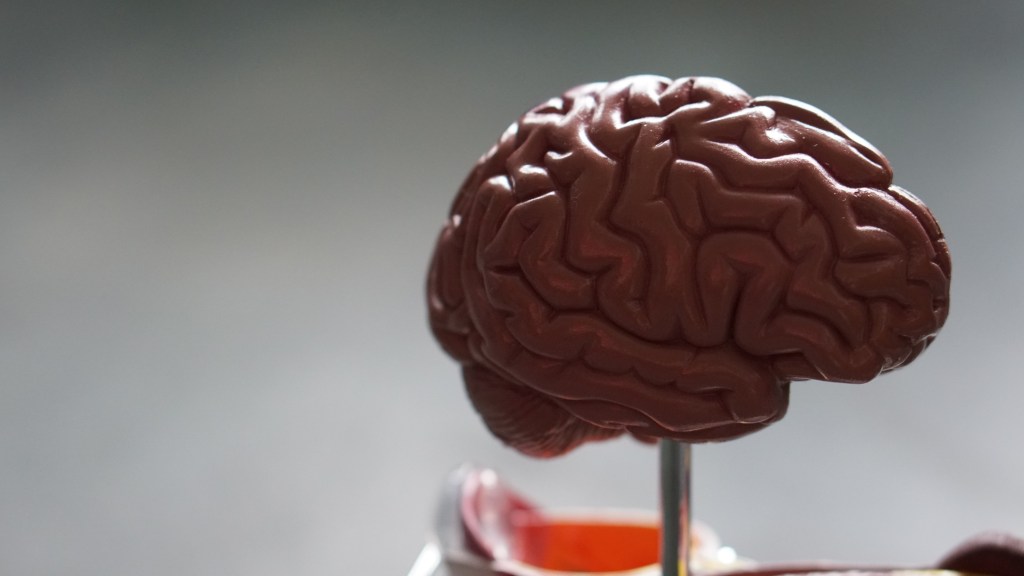
Dementia isn’t a part of aging. Dementia are often caused by disease, reactions to medications, vision and hearing problems, infections, nutritional imbalances, diabetes, and kidney failure . There are many sorts of dementia (including Alzheimer’s Disease) and a few are often temporary. With accurate diagnosis comes management and help. the foremost common late-in-life psychological state condition is depression. If left untreated, depression within the elderly can cause suicide. Here’s a surprising fact: the speed of suicide is higher for elderly white men than for the other age bracket , including adolescents.

Injury and Violence.

Among seniors, falls are the leading explanation for injuries, hospital admissions for trauma, and deaths thanks to injury. One in every three seniors (age 65 and older) will fall annually . Strategies to scale back injury include exercises to enhance balance and strength and drugs review. Home modifications can help reduce injury. Home security is required to stop intrusion. Home-based fire prevention devices should be in situ and straightforward to use. People aged 65 and older are twice as likely to die during a home fire because the general population

Environmental Quality.

Even though pollution affects all folks , government studies have indicated that low-income, racial and ethnic minorities are more likely to measure in areas where they face environmental risks. Compared to the overall population, a better proportion of elderly live just over the poverty threshold

Immunization
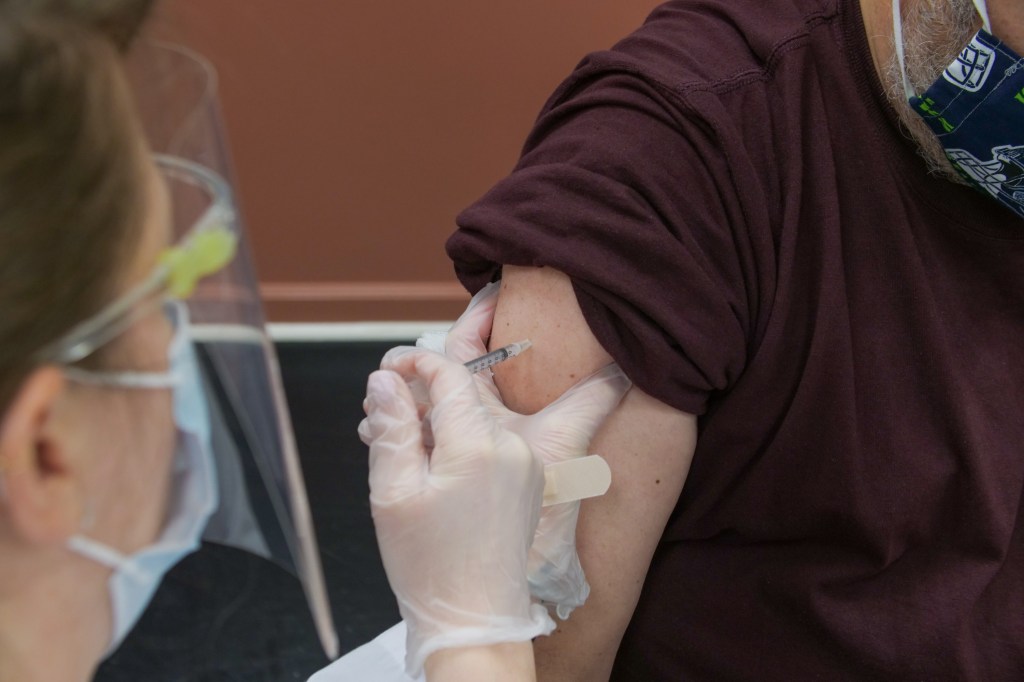
Influenza and pneumonia and are among the highest 10 causes of death for older adults. Emphasis on Influenza vaccination for seniors has helped. Pneumonia remains one among the foremost serious infections, especially among women and therefore the very old.

Access to Health Care.

Seniors frequently don’t monitor their health as seriously as they ought to . While a shortage of geriatricians has been noted nationwide, URMC has one among the most important groups of geriatricians and geriatric specialists of any medical profession within the country. Your access to health care is as close as URMC, offering a menu of services at several hospital settings, including the VA Hospital in Canandaigua, in senior housing, and in your community.


Five types of mental illness and disability.

Mental illness may be a condition that affects a person’s thinking, feeling, and behavior. The mainstream medical profession recognizes quite 200 classified sorts of mental disease .

These conditions can alter your ability to relate to people , work, and attend school, and may prevent you from living a traditional life. differing types of mental disease offer different experiences, and symptoms may vary from person-to-person, even once they share an equivalent diagnosis.

There are five major categories of mental illnesses:

There are five major categories of mental illnesses:

*Anxiety disorders.
*Mood disorders.
*Schizophrenia and psychotic disorders.
*Dementia
Eating disorders.
It’s important to recollect that every condition can vary greatly from person to person.

Mental illness.

Mental health

Mental illness may be a condition that affects a person’s thinking, feeling, and behavior. The mainstream medical profession recognizes quite 200 classified sorts of mental disease .

These conditions can alter your ability to relate to people , work, and attend school, and may prevent you from living a traditional life. differing types of mental disease offer different experiences, and symptoms may vary from person-to-person, even once they share an equivalent diagnosis.

There are five major categories of mental illnesses:

Anxiety disorders are a sort of mental disease that causes people to experience distressing and frequent bouts of fear and apprehension. Many will experience these feelings when periodically doing things like speechmaking or employment interview. Those with anxiety disorders experience these feelings frequently, and for an extended period — six months or more.

If not treated, these symptoms can worsen and increase, including:

Panic attacks
Physical symptoms like pain, nausea and headaches
Nightmares
Obsessive thoughts
Fear of leaving the house
Common diagnosis of mental disease , under the category of hysteria disorders, includes:

Panic disorder
Obsessive-compulsive disorder (OCD)
Post-traumatic stress disorder (PTSD)
Social phobia (social anxiety disorder)
Generalized mental disorder (GAD

Mood disorder.

 Every one folks has experienced feelings of sadness, irritability, or a general case of the “blahs” at just one occasion or another.

While bad moods are common, and typically pass during a short period, people suffering with mood disorders accept more sustained and severe symptoms and disruption. People living with this mental disease find that their mood impacts both mental and psychological well-being, nearly a day , and sometimes for much of the day.

It is estimated that one in 10 adults suffer from some sort of mood disorder, with the foremost common conditions being depression and manic depression . With proper diagnosis and treatment, most of these living with mood disorders lead healthy, normal and productive lives. If left untreated, this illness can affect role functioning, quality of life and lots of chronic physical health disorders like diabetes and heart condition .

Schizophrenia and Psychotic Disorders

Schizophrenia is a serious brain disorder that is marked by significant changes and disruption in both cognitive and emotional function. Schizophrenia has an effect on the most basic human aspects of life (e.g. language/communication, train of thought, perception of objects, self and others).

The most common symptoms of schizophrenia include:

  • Hearing voices
  • Hallucinations
  • Delusions
  • Social withdrawal
  • Incoherent speech
  • Abnormal reasoning

Dementia

Dementia is distinguished by a disruption of consciousness, as well as changes in cognitive health, such as memory loss and motor skills.

The most common forms of dementia include:

  • Alzheimer’s disease
  • Health conditions (e.g., head trauma, HIV, Parkinson’s); and
  • Substance-induced dementia (e.g. drugs/alcohol abuse, inhalants, or exposure to toxins)

Eating Disorders

Eating disorder

serious, continualsituations that may be life-threatening, if left untreated. These situationscommonly take root all through the adolescent years and basicallyhave an effect on females.

While there are versions withinside the expression, symptoms, and direction of ingesting issues, the not unusualplace thread is they all contain obsessive and on occasion distressing mind and behaviors, including:

  • Reduction of meals intake
  • Overeating
  • Feelings of melancholy or distress
  • Concern of weight, frame shape, negative self-image

At the onset, those issues start with the man or woman ingesting smaller or large quantities than usual. However, over time, urges to lower or boom the quantity of meals eaten take hold, and the infection escalates. The 3 maximum not unusualplace forms of ingesting issues are:

Benefits of good health.

Good health


Benefits of excellent psychological state
Just as fitness helps our bodies to remain strong, mental fitness helps us to realize and sustain a state of excellent psychological state . once we are mentally healthy, we enjoy our life and environment, and therefore the people in it. we will be creative, learn, try new things, and take risks. We are better ready to deal with difficult times in our personal and professional lives. We feel the sadness and anger which will accompany the death of a beloved , employment loss or relationship problems and other difficult events, but in time, we are ready to get on with and luxuriate in our lives once more .

Nurturing our psychological state also can help us combat or prevent the psychological state problems that are sometimes related to a chronic physical illness. In some cases, it can prevent the onset or relapse of a physical or mental disease . Managing stress well, as an example , can have a positive impact on heart condition .

Chances are, you’re already taking steps to sustain your psychological state , also as your physical health – you only won’t know it .

Three important ways to enhance your mental fitness are to urge physical, eat right, and take hold of stress

Get physical

fitness helps our bodies to remain strong, mental fitness helps us to realize and sustain a state of excellent psychological state . once we are mentally healthy, we enjoy our life and environment, and therefore the people in it. we will be creative, learn, try new things, and take risks. We are better ready to deal with difficult times in our personal and professional lives. We feel the sadness and anger which will accompany the death of a beloved , employment loss or relationship problems and other difficult events, but in time, we are ready to get on with and luxuriate in our lives once more .

Nurturing our psychological state also can help us combat or prevent the psychological state problems that are sometimes related to a chronic physical illness. In some cases, it can prevent the onset or relapse of a physical or mental disease . Managing stress well, as an example , can have a positive impact on heart condition .

Chances are, you’re already taking steps to sustain your psychological state , also as your physical health – you only won’t know it .

Three important ways to enhance your mental fitness are to urge physical, eat right, and take hold of stress.

Get Physical
We’ve known for an extended time about the advantages of exercise as a proactive thanks to enhance our fitness and combat disease; now, exercise is recognized as an important element in building and maintaining mental fitness.

So, if you already do exercise of some kind, give yourself two pats on the rear – you’re improving your physical and mental fitness.

Exercise has many psychological benefits. For example:

Physical activity is increasingly becoming a part of the prescription for the treatment of depression and anxiety. Exercise alone isn’t a cure, but it does have a positive impact.
Research has found that regular physical activity appears as effective as psychotherapy for treating mild to moderate depression. Therapists also report that patients who exercise regularly simply feel better and are less likely to overeat or abuse alcohol and medicines .
Exercise can reduce anxiety. Many studies have come to the present conclusion. people that exercise report feeling less stressed or nervous. Even five minutes of aerobics (exercise which needs oxygen, like a step class, swimming, walking) can stimulate anti-anxiety effects.
Physical exercise helps to counteract the withdrawal, inactivity and feelings of hopelessness that characterize depression. Studies show that both aerobic and bodybuilding (exercise which doesn’t require oxygen, like weightlifting) have anti-depressive effects.
Moods like tension, fatigue, anger and vigor are all positively suffering from exercise.
Exercising can improve the way you perceive your fitness , athletic abilities and body image. Enhanced self-esteem is another benefit.
Last, but not least, exercise brings you into contact with people during a non-clinical, positive environment. For the length of your walk or workout or aqua-fit class, you engage with people that share your interest therein activity

Feel the rush

 We might not realize what caused it, but most folks have felt it. Whether we’re engaged during a leisurely swim or an adrenaline-charged rock climb, there’s that moment when suddenly pain or discomfort drops away and that we are crammed with a way of euphoria.

We have endorphins to thank for these moments of bliss. Endorphins are chemicals produced within the brain, which bind to neuro-receptors to offer relief from pain.

Discovered in 1975, the role of endorphins remains being studied. they’re believed to: relieve pain; enhance the immune system; reduce stress; and delay the aging process. Exercise stimulates the discharge of endorphins, sending these depression-fighting, contentment-building chemicals throughout the body. No wonder we feel good after a workout or brisk walk!

Endorphin release varies from person to person; some people will feel an endorphin rush, or second wind, after jogging for 10 minutes. Others will jog for half an hour before their second wind kicks in.

You don’t need to exercise vigorously to stimulate endorphin release: meditation, acupuncture, massage therapy, even eating spicy food or breathing deeply – these all cause your body to supply endorphins naturally.

So enjoy some moderate exercise and feel the endorphin rush!

Eat right

Fresh food

Here’s some food for thought – Making the proper nutritional choices can affect quite the fit of our clothes; it can have an impression on our psychological state .

A new study by the UK’s psychological state Foundation suggests that poor diet has played a task within the significant increase in psychological state problems over the past 50 years.

The trend faraway from eating less fresh produce and consuming more saturated fats and sugars, including substances like pesticides, additives and trans-fats, can prevent the brain from functioning properly, says the Feeding Minds study. It makes a persuasive link between changing food fads and increases in Attention Deficit Hyperactivity Disorder, Alzheimer’s disease and schizophrenia.

The message isn’t a replacement one, but it’s perhaps the foremost forceful argument yet for paying more attention to the nutrition-mental health connection. What we placed on our plates becomes the staple for our brains to manufacture hormones and neurotransmitters – chemical substances that control our sleep, mood and behavior . If we shortchange the brain, we also shortchange our intellectual and emotional potential.

Our diet also supplies the vitamins which our bodies cannot create, and which we’d like to assist speed up the chemical processes that we’d like for survival and brain function. Vitamin deficiencies sometimes manifest themselves as depression and may cause mood swings, anxiety and agitation, also as a number of physical problems.

Mental health professionals means that good eating habits are vital for people eager to optimize the effectiveness of and deal with possible side effects of medicines wont to treat mental illnesses.

Clearly, selecting which foods to eat has consequences beyond immediate palate satisfaction. To optimize our brain function, we’d like to eat a diet of:

Fresh fruits and vegetables
Foods high in omega-3 fatty acids, like fish, nuts, seeds and eggs
Protein
Whole grainsTotal Words: 1039