Five types of mental illness and disability.

Mental illness may be a condition that affects a person’s thinking, feeling, and behavior. The mainstream medical profession recognizes quite 200 classified sorts of mental disease .

These conditions can alter your ability to relate to people , work, and attend school, and may prevent you from living a traditional life. differing types of mental disease offer different experiences, and symptoms may vary from person-to-person, even once they share an equivalent diagnosis.

There are five major categories of mental illnesses:

There are five major categories of mental illnesses:

*Anxiety disorders.
*Mood disorders.
*Schizophrenia and psychotic disorders.
*Dementia
Eating disorders.
It’s important to recollect that every condition can vary greatly from person to person.

Mental illness.

Mental health

Mental illness may be a condition that affects a person’s thinking, feeling, and behavior. The mainstream medical profession recognizes quite 200 classified sorts of mental disease .

These conditions can alter your ability to relate to people , work, and attend school, and may prevent you from living a traditional life. differing types of mental disease offer different experiences, and symptoms may vary from person-to-person, even once they share an equivalent diagnosis.

There are five major categories of mental illnesses:

Anxiety disorders are a sort of mental disease that causes people to experience distressing and frequent bouts of fear and apprehension. Many will experience these feelings when periodically doing things like speechmaking or employment interview. Those with anxiety disorders experience these feelings frequently, and for an extended period — six months or more.

If not treated, these symptoms can worsen and increase, including:

Panic attacks
Physical symptoms like pain, nausea and headaches
Nightmares
Obsessive thoughts
Fear of leaving the house
Common diagnosis of mental disease , under the category of hysteria disorders, includes:

Panic disorder
Obsessive-compulsive disorder (OCD)
Post-traumatic stress disorder (PTSD)
Social phobia (social anxiety disorder)
Generalized mental disorder (GAD

Mood disorder.

 Every one folks has experienced feelings of sadness, irritability, or a general case of the “blahs” at just one occasion or another.

While bad moods are common, and typically pass during a short period, people suffering with mood disorders accept more sustained and severe symptoms and disruption. People living with this mental disease find that their mood impacts both mental and psychological well-being, nearly a day , and sometimes for much of the day.

It is estimated that one in 10 adults suffer from some sort of mood disorder, with the foremost common conditions being depression and manic depression . With proper diagnosis and treatment, most of these living with mood disorders lead healthy, normal and productive lives. If left untreated, this illness can affect role functioning, quality of life and lots of chronic physical health disorders like diabetes and heart condition .

Schizophrenia and Psychotic Disorders

Schizophrenia is a serious brain disorder that is marked by significant changes and disruption in both cognitive and emotional function. Schizophrenia has an effect on the most basic human aspects of life (e.g. language/communication, train of thought, perception of objects, self and others).

The most common symptoms of schizophrenia include:

  • Hearing voices
  • Hallucinations
  • Delusions
  • Social withdrawal
  • Incoherent speech
  • Abnormal reasoning

Dementia

Dementia is distinguished by a disruption of consciousness, as well as changes in cognitive health, such as memory loss and motor skills.

The most common forms of dementia include:

  • Alzheimer’s disease
  • Health conditions (e.g., head trauma, HIV, Parkinson’s); and
  • Substance-induced dementia (e.g. drugs/alcohol abuse, inhalants, or exposure to toxins)

Eating Disorders

Eating disorder

serious, continualsituations that may be life-threatening, if left untreated. These situationscommonly take root all through the adolescent years and basicallyhave an effect on females.

While there are versions withinside the expression, symptoms, and direction of ingesting issues, the not unusualplace thread is they all contain obsessive and on occasion distressing mind and behaviors, including:

  • Reduction of meals intake
  • Overeating
  • Feelings of melancholy or distress
  • Concern of weight, frame shape, negative self-image

At the onset, those issues start with the man or woman ingesting smaller or large quantities than usual. However, over time, urges to lower or boom the quantity of meals eaten take hold, and the infection escalates. The 3 maximum not unusualplace forms of ingesting issues are:

Health

Definition of health

The word health refers  to a state of complete emotional and physical well-being.healthcare exist to assist people maintain this optional state of health.

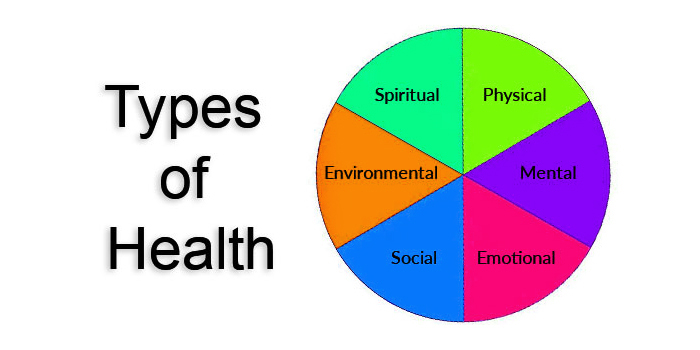
There are five main aspects of private health physical, emotional,social, spiritual,and intellectual. So as to be considered “well,”it’s imperative for non of those areas to be neglected.

Physical health

Physical health refers to be state of your human body.and the way i”ts operating it’s influence by labels of physical activity, adequate nutrition,rest,environment ,etc.physical health promotes proper care of our bodies.for optimal health and functioning.obtaning on optimal level of physical responsibility for your own health.as you become aware of your physical health,you’re ready to identify elements you’re sucessful in also as elements.you’re wish to improve physical health consist of many component but a quick list of the key area given below.

Physical activity – includes strength, flexibility, and endurance.
Nutrition and diet – includes nutrient intake, fluid intake, and healthy digestion. Alcohol and medicine includeS the asbstinence From or reduced Consumption Of those substances .physical activity includes strength,flexibility,and endurance.nutration diet includes nutrients intake,fluid intake, and healthy digestion.

Mental health

Mental health may be a level of Psychological Well being or an absence of mental disease.it’s the psychological “State of somebody Who is working at a satisfactory level Of emotional and Behavioral adjustment 3

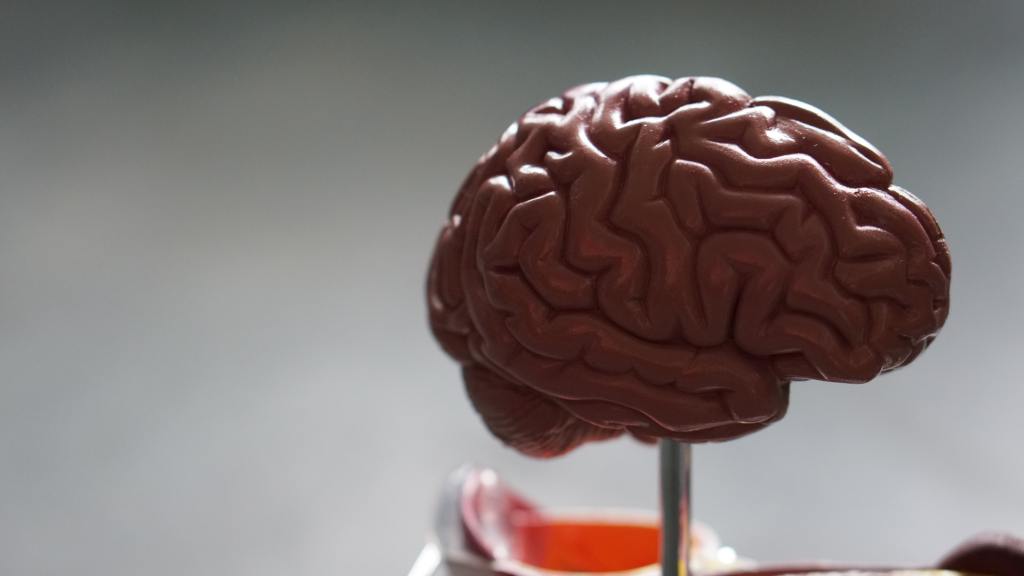
Brain

Mental health good psychological state Doesn’t just mean if you Don’t have a mental disease .it’s about having a way of purpose of ,getting involved things,dealing with stress and Setbacks,farming close relationships,and being in-turned Together with your own thoughts and emotions.to take cure of psychological state We’Ve To be confident.and accept ourselves .during this case,yoga and breathing exercises help us to focus and keep negative thoughts out of our mind.

Emotional health

Emotional health refers to a person’s feelings which encompasses everything about you. It actually governs all of your decisions, your mood, and who You’re.Every single aspect of you is determinant of how You are feeling about something.what’s actually happening In your heart ,not in your mind.

Basically,from your relationship to your mindset your personality, to how you would like to point out up with in the world.all of those are travel by your emotional health.and if you’re feeling of thoughts overwhelm, anxiety,stress, Basically, from your relationships to your mindset to your personality, to how you want to show up in the world; all of these are run by your emotional health. And if you’re feeling thoughts of overwhelm, anxiety, stress, worthlessness, these are all common negative emotions that can have a hugely detrimental effect on your emotional health. But if you can rightly understand yourself, and find out from where these negative emotions are coming, then you actually be setting yourself up for a lifetime of consistent success.

Social health

Social health is how you get along side people , which involves your ability to make satisfying interpersonal relationships with others. It also relates to your ability to adapt comfortably to different social situations and act appropriately during a sort of settings.[4]

If you want to really optimize your health, you need to go beyond physical and mental strength and actually look at the strength of your close social relationships. Research now shows that a lack of strong social ties puts you at a greater health risk than obesity.

If we really want to understand human thriving, the social component is essential. There is 80 years long Harvard study done on individuals that showed the quality of close social relationships was actually the best victor of health and happiness. So not only it’s important to consider the health of our bodies but we need to consider the health of our communities.

Environmental health

Original Environmental Health is that the field of science that studies how the environment influences human health and disease. “Environment,” during this context, means things within the natural environment like air, water, and soil, and also all the physical, chemical, biological, and social features of our surroundings

Environmental health

According to the National Institute of Environmental Health Science, The social environment encompasses lifestyle factors like diet and exercise, socioeconomic status, and other societal influences which will affect health.[5]

We need to remember of the impact of adjusting the environment of our health, how it are often influenced, and what can cause the complex diseases like cancer, disorder , metabolic syndrome within malaria, TV, AIDS, etc. and the way our surroundings influenced to contract these diseases.

Spiritual health

Spiritual health refers to possessing, meaning, and purpose in life; having a transparent set of beliefs and living in accordance together with your morals, values, and ethics. Essentially it means understanding and having a transparent definition of what’s right and wrong and living consistent with this

Spiritual health

The National Wellness Institute says spiritual wellness follows the following tenets:

  • It is better to ponder the meaning of life for ourselves and to be tolerant of the beliefs of others than to close our minds and become intolerant.
  • It is better to live each day in a way that is consistent with our values and beliefs than to do otherwise and feel untrue to ourselves.

Many factors play a part in defining spirituality – religious faith, beliefs, values, ethics, principles, and morals. Some gain spirituality by growing in their personal relationships with others, or through being at peace with nature. Spirituality allows us to find the inner calm and peace needed to get through whatever life brings, no matter what one’s beliefs are or where they may be on your spiritual journey.

The human spirit is the most neglected aspect of our selves. Just as we exercise to condition our bodies, a healthy spirit is nurtured by purposeful practice. The spirit is the aspect of ourselves that can carry us through anything. If we take care of our spirit, we will be able to experience a sense of peace and purpose even when life deals us a severe blow. A strong spirit helps us to survive and thrive with grace, even in the face of difficulty.[6We should lookout of our spirit to experience a way of peace and purpose even when life deals with some difficulty. a robust spirit only helps us to survive and thrive with grace.